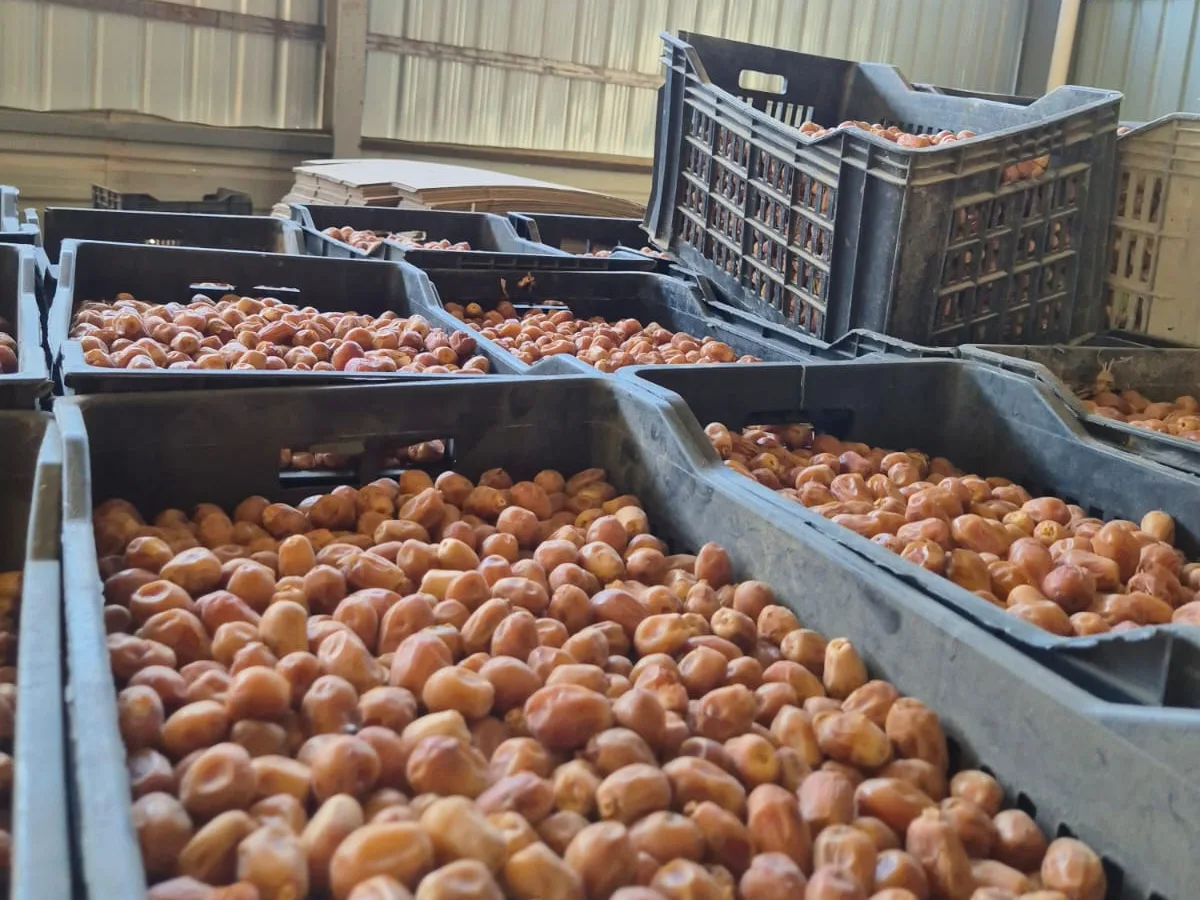
What is a Zahdi date?
Zahdi (also spelled Zahidi) is a cultivar of the date palm, Phoenix dactylifera, that originated in Iraq and is among the most widely planted in its groves. The fruit is medium-sized and oval, with a golden skin that turns light brown as it fully ripens.
Zahdi is classed as a semi-dry date: its flesh is firm and holds less moisture than the soft varieties, with a clear sweetness and a light flavour often described as nutty. That texture is where its commercial value lies — it keeps its shape in the carton and the bag, and stands up to storage and sea freight better than soft dates do.
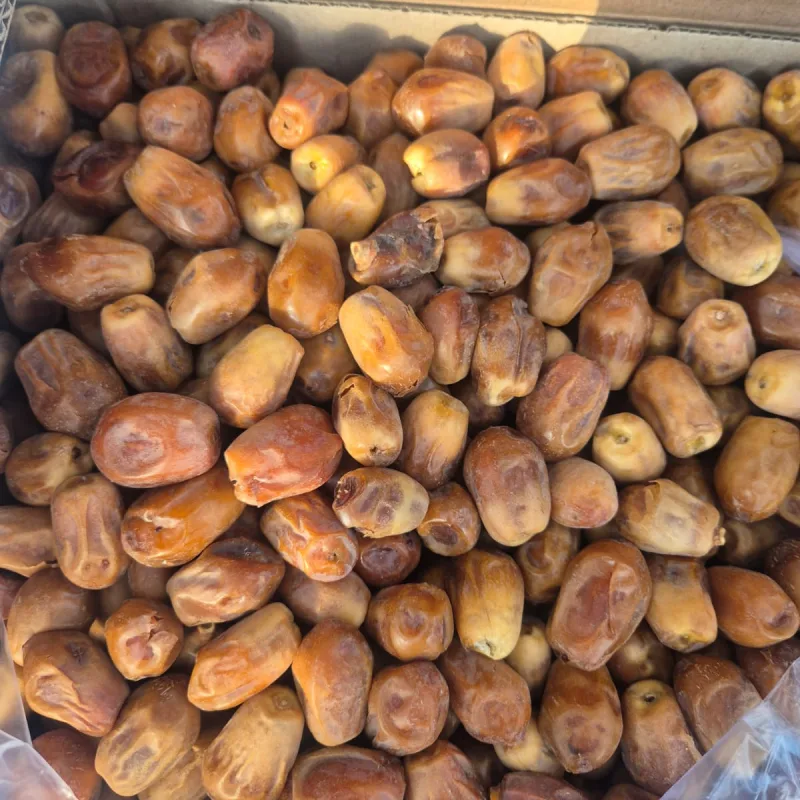
Where does Zahdi grow?
Zahdi is grown across central and southern Iraq, where the long, hot summers give the palm what it needs to ripen its fruit. Karbala is one of the governorates known for its palm groves, and it is where the Zahdi we export comes from.
The Zahdi palm is known for being hardy and for bearing steadily, which is why the variety is available in large commercial volumes season after season — exactly what an importer building a supply line, rather than a one-off deal, needs.
The harvest and the stages of ripening
A date passes through four recognised stages:
- Kimri: green and hard.
- Khalal: the fruit takes on its colour but stays firm.
- Rutab: it begins to soften from the tip.
- Tamar: fully ripe and lower in moisture — the stage at which Zahdi is picked for export.
Zahdi is usually picked from late summer into the autumn, then gathered, graded and cleaned before packing. The timing and the size of the crop change from year to year with the weather, so we state the crop year and its condition in every quotation, and importers planning large orders do well to plan them early in the season.
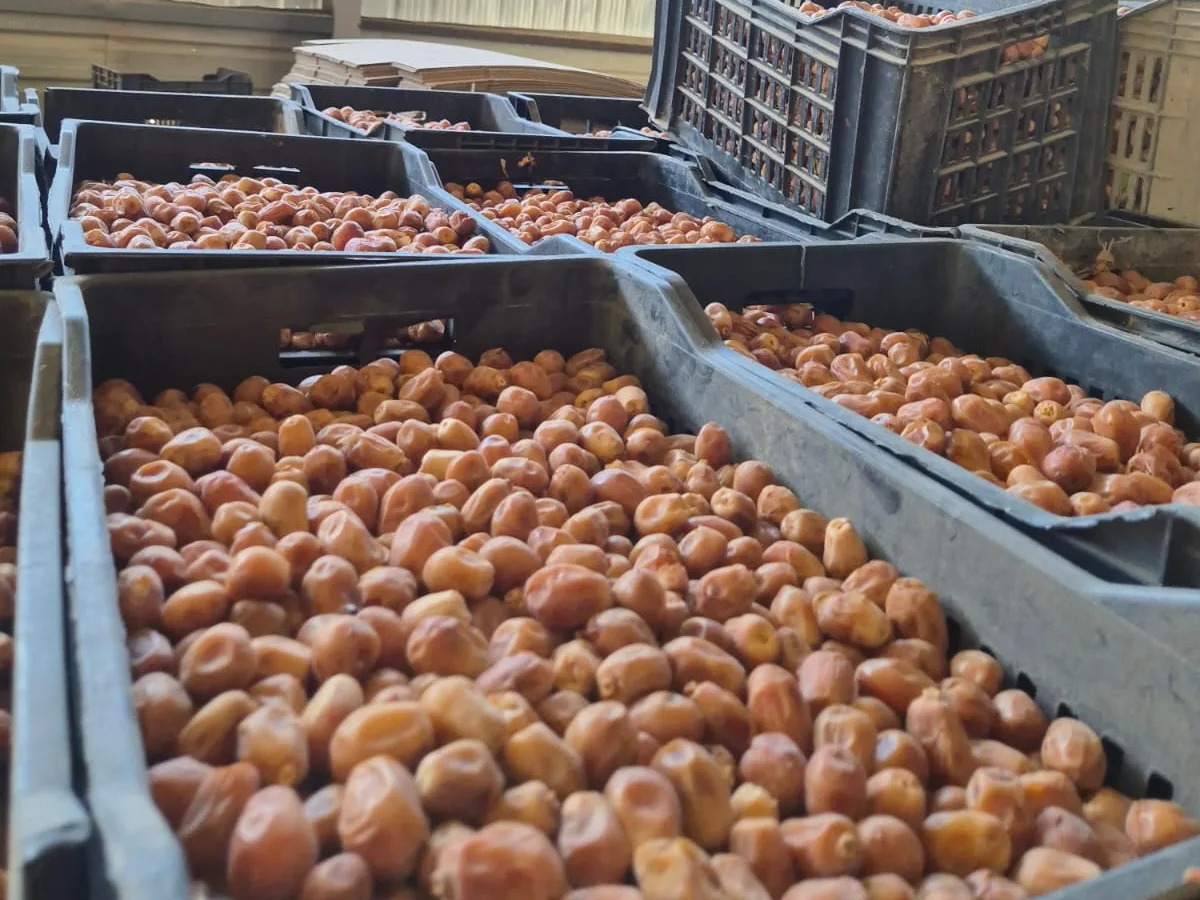
Why do importers buy Zahdi?
Because it is a practical variety before it is a luxury one. Its main uses:
- An affordable table date: packed for shops and markets that want good value for the price.
- Repacking: its firm texture suits packing lines filling smaller packs under other brands.
- Bakeries and confectionery: fillings for maamoul, biscuits and pastries.
- Food processing: date paste, date syrup and other date products.
And because Zahdi is produced in abundance, it usually costs less than the premium soft varieties, which makes it an economical choice for large volumes.
How is Zahdi quality judged?
Zahdi is not bought by name alone but by specification. What an importer typically sets out in an order:
- Size and uniformity: how closely the fruit in a shipment matches in size.
- Colour: the shade of gold or brown required, and how even it is.
- Moisture: it governs the texture and the shelf life.
- Skin: how well it holds, and how far it separates from the flesh or wrinkles.
- Defects: broken or damaged fruit, and the tolerance for it.
- Cleanliness: freedom from debris and foreign matter.
We supply Zahdi in every sorting grade, from premium retail specification through to raw material for processing, and the grade that suits you is settled by an approved reference sample before shipment. The detail is in the quality and grades section of the catalogue.
Packing and storage
Zahdi usually ships in export cartons lined with food-grade film, or in bulk bags for large volumes and repacking lines, and the buyer's own brand can be printed on the pack. Weights and options are in the packing section.
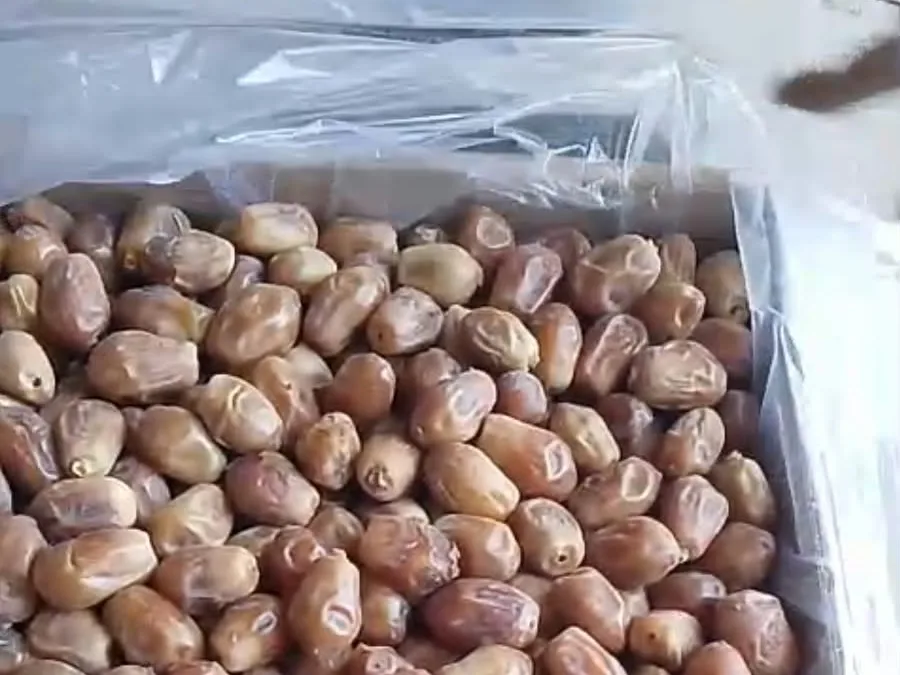
To keep its quality, Zahdi is stored away from heat, humidity and sunlight. Its shelf life depends on the moisture of the crop, the type of pack and the conditions in store, and is stated on the pack according to the agreed specification.
Shipping from Iraq
Iraqi Zahdi leaves for overseas markets by sea in full 20ft and 40ft containers, through its main outlet, the port of Umm Qasr in Basra. It is usually priced on standard Incoterms such as FOB, CFR and CIF, and travels with the export documents the importing country requires, such as a certificate of origin and a health or phytosanitary certificate where applicable.
The practical detail — the estimated load per container, the documents and the payment terms — is gathered in the buyer questions, and you can follow the fruit from grove to port in the journey.
Your first order, step by step
- Define the use and the market: retail, repacking or processing — that is what decides the right grade.
- Request a quotation with the volume, the packing, the port of arrival and the delivery term.
- Approve a reference sample to serve as the benchmark at loading.
- Fix the contract in writing, with the specification and the payment terms.
- Follow grading, packing and loading, with inspection before shipment if you wish.
- Receive the documents and track the shipment to the port of arrival.
Ready to request a quote?
Tell us the volume, the intended use and the destination, and we will send you a detailed offer for Iraqi Zahdi dates from Karbala.